The hard part of a hen or stag do has never been thinking of something to do. It is that you are organising a holiday for eight to fifteen adults who have different budgets, different amounts of annual leave, small children, and one person who has already booked a fortnight in August.
So this is arranged by the constraints that actually decide it — what everyone can afford, how many are coming, and how far anybody will travel — rather than by how exciting the activity sounds. Cost first, because that is the conversation people are most afraid to have and the one that quietly decides who comes.
What these weekends really cost
Be honest with the group early, because the number in somebody's head is rarely the number on the invoice.
A UK weekend away — two nights in a shared house, one activity, one nice meal, drinks, travel — lands somewhere around £250 to £400 a head. A city with expensive hotels pushes it higher, a self-catered cottage with everybody cooking one night pulls it down.
A single day at home — an activity, lunch, and an evening out with no accommodation — is £60 to £120, and is a genuinely good day rather than a compromise. A great many hen and stag dos are now exactly this.
Abroad starts around £400 and realistically reaches £600 to £800 with flights, transfers, food and three nights out. It also excludes people in a way a UK weekend does not: passports, more annual leave, and no option to come for one night.
The figure that catches groups out is not the headline cost. It is the accumulation — the outfit, the pre-do drinks, the taxis, the round nobody planned, the £40 each for a group gift. Say the whole number up front, including the extras, and let people decide against the truth.
Ideas by group size
Group size changes what works more than budget does. The same activity that is brilliant for six is unmanageable for eighteen.
Four to six. Small enough to do something that needs booking as one table and to have a single conversation all weekend. A cookery class, a wild swim and a sauna, a wine or whisky tasting, a proper restaurant, a spa day. This size can be spontaneous — the group can change its mind on Saturday morning without a logistical crisis.
Seven to twelve. The most common size and the one that needs the most structure. Anything requiring one long table needs booking months out. Activities that split naturally into two teams come into their own: pottery, a cocktail-making class, axe throwing, a walking food tour, an escape room in two groups. Book a house rather than hotel rooms — it gives the group somewhere to be together that costs nothing.
Thirteen and up. Accept that it will not be one group all weekend, and plan for that rather than against it. Two anchor points a day — one activity everybody does, one meal everybody attends — and free time between them. Anything requiring a booking for eighteen needs to be made early and confirmed twice. And appoint somebody other than the bride or groom to answer the questions, because at this size there will be a lot of them.
The UK destinations worth the travel
What makes a place work for this is walkability. If the house, the activity, the dinner and the pub are all within twenty minutes on foot, you have a weekend. If they are not, you have a weekend of taxis and half the group in the wrong place.
Bath, York, Edinburgh. Small enough to walk, enough good places to eat, and something to do in the day that is not drinking. Edinburgh is a different price outside August.
Bristol, Liverpool, Manchester, Newcastle. Cheaper than London by a wide margin, well connected by train, and with enough range that a group of twelve with different tastes can all find their evening.
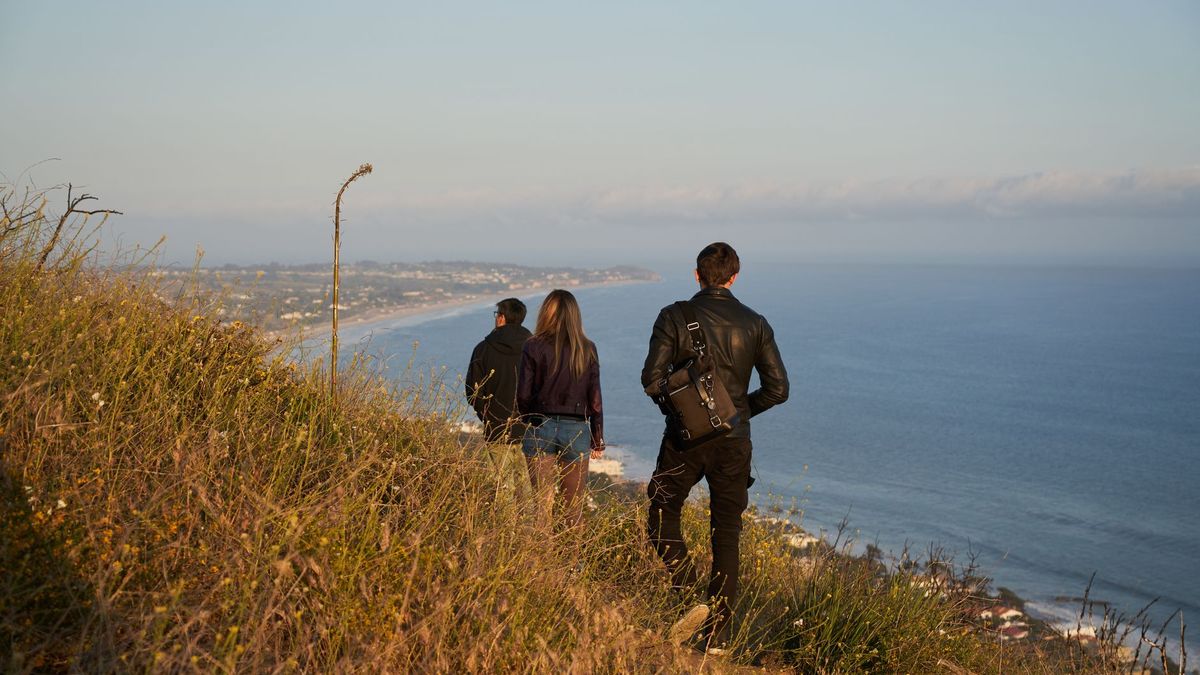
The Peaks, Snowdonia, the Lakes, Pembrokeshire. For a group that would rather be outdoors — a cottage, a hike or a coasteering session, a pub with a fire. Far cheaper, and the one that people who are anxious about hen dos usually enjoy most.
Cornwall, Norfolk, the Gower. Coast weekends: surfing, sea swimming, a long lunch. Best out of season, when a house that is unaffordable in July is reasonable in April.
Brighton and Bournemouth. Both do the seaside-and-nightlife combination, and both are easy from London for a group that cannot all take Friday off.
Whatever you choose, check what else is on that weekend. A rugby international or a festival will double every room rate in the city and empty every restaurant of tables.
At home, and not as a consolation
The single-day hen or stag at home has quietly become the norm rather than the fallback, and the good ones are better than a mediocre weekend away. Everybody can come. Nobody books leave. The money goes on the day instead of on beds and travel.
What makes them work is treating the day as a real event rather than an afternoon that happens to include some people. A booked activity in the morning, a proper meal in the middle, and somewhere to go afterwards. The mistake is to leave it loose — an unstructured day at home dissolves by four o'clock.
Ideas that hold a day together: a cookery or cocktail class, a private dining room, a life-drawing or pottery session, a walking food tour of your own city, a boat on a river, a bowls club or a lido, a supper club, a hired room above a pub with a quiz written about the bride or groom.
And the one nobody thinks of: hire somebody to come to you. A chef for the evening, a bartender for two hours, a masseuse for the afternoon. For twelve people it is often cheaper than the equivalent out, and it means the group never has to move.
- Book one thing in the morning so the day has a spine — a class, a walk, a session of something.
- A private room or a long table for the meal, not a scattered booking across three tables.
- Bring somebody to you — a chef, a bartender, a masseuse — often cheaper than the same thing out.
- Write the quiz about the bride or groom, not about general knowledge. Fifteen minutes, not fifty.
- Decide before the day whether it ends at midnight or does not. Groups split badly at 11pm without a plan.
Splitting the money without it getting awkward
Almost every hen or stag do that ends in bad feeling ends there because of money, and almost always because of one of four things.
Nobody knew the total. Fix by publishing the full figure, including extras, before anybody commits.
One person paid for everything and had to chase. Fix by collecting a deposit up front, before anything is booked. It is not rude; it is the only thing that protects the organiser from being £900 down.
The bride or groom's share was split without asking. Most groups cover the person the do is for. Say so explicitly at the start, with the number — "it's £280 each, which includes covering Sam" — so nobody discovers it on the final bill.
The bill got split evenly and somebody had a starter and tap water. Fix by splitting the fixed costs evenly — house, activity, transport — and letting food and drink be individual. Everybody understands that split and nobody resents it.
Keep the whole thing in one place people can see: what has been paid, what is outstanding, what the remaining balance is. A running total that everybody can look at removes almost all of the awkwardness, because the awkwardness comes from not knowing.
When to have it
Four to eight weeks before the wedding is the usual window, and there is a reason for both ends of it. Closer than about three weeks and it collides with the fortnight when the seating plan, the final numbers and everything else lands at once. Much earlier than two months and it stops feeling connected to the wedding at all.
Book it earlier than you think, though. Houses that sleep twelve go months in advance for summer weekends, and the group's diaries are the real constraint — send the date before you send the plan. Getting a yes to a date is a different, much easier question than getting a yes to a £320 weekend, and asking them in that order gets you a bigger group.